Issue 04 • November 2025
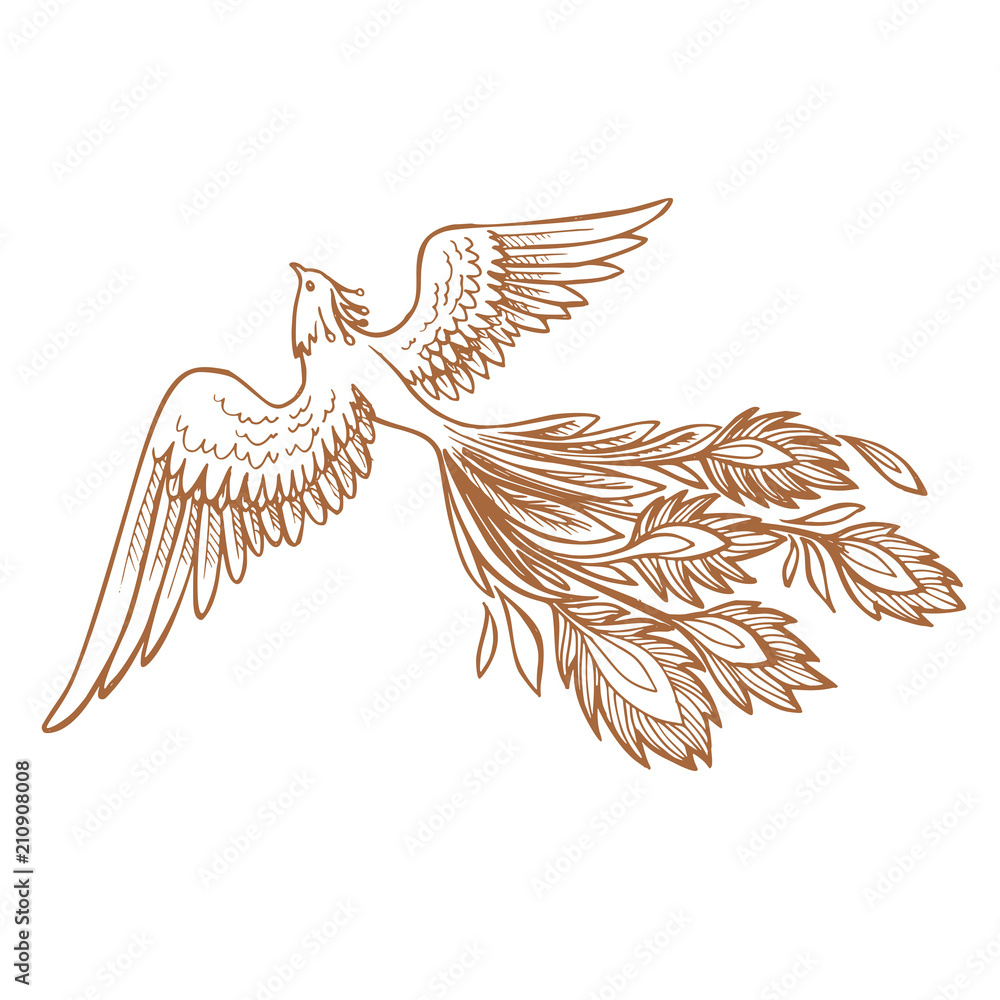
Burning up the sky and flying high, the Phoenix is a symbol of renewal that defies everything known about life and death. Countless fables have been created surrounding this infamous myth, spanning back to Greek Mythology in 3000 BC. The myth is told that after the phoenix has lived 500 years or more, it flies from Arabia to Egypt, tired and exhausted. In Heliopolis, Egypt, known as the “City of the Sun, ” the bird gathers sticks to build his final resting place. On top of the Temple of the Sun, the phoenix ignites itself into flames, leaving nothing but ashes. The next day, a young chick emerges from the ashes, reborn from its predecessor. This young bird has decades of life ahead of it and the adventure of a lifetime. This bird’s life cycle is the ultimate symbol of resurgence and faith: it leaves everything it had once created to create a new life. The name originated from the Latin word “phoinix” and was later adopted by the modern English language as phoenix. Later, the French reinforced the word with “phenix. ” Numerous famous interpretations have built stories based on this ancient tale, from William Shakespeare’s poem The Phoenix and the Turtle to J.K. Rowling’s Harry Potter character “Fawkes. ” The poem represents an allegory of the ideal marriage while using the phoenix as a symbol of devotion and transcendence. In J.K. Rowling’s story, the phoenix character represents victory over death and serves as an explanation to not be afraid of death. The once young chick is now making its maiden journey back to the City of the Sun, where it will, once again, construct its final resting place. Self-inflicted, a fire will rise, and the bird will never be heard from again, until a new life arises from the ashes. This begs the question: what came first, the phoenix or the flame?
Brûlant le ciel et volant plus haut, le phénix est un symbole du renouvellement qui défie tout ce qui est connu sur la vie et la mort. Le nom « phénix » vient du mot latin « phoinix », puis, adopté par l’anglais moderne et repris en français comme “phénix” . Depuis la mythologie grecque vers 3000 av. J.C., d’innombrables légendes entourent ce mythe. Selon la légende, après cinq cents ans, le phénix, fatigué et affaibli, s’envole de l’Arabie vers l’Égypte. À Héliopolis, la “Cité du Soleil” , il obtient des brindilles* pour construire son dernier nid. Au sommet du Temple du Soleil, l’oiseau s’enflamme, ne laissant. que des cendres. Le jour suivant, un poussin* vient de ces cendres, incarnation de ses ancêtres. Ce jeune oiseau possède déjà des décennies d’existence d’avance et l’aventure d’une vie. Son cycle de vie est un symbole de la résurgence et de la foi : il abandonne tout ce qu’il a créé pour donner une nouvelle vie. De nombreuses œuvres célèbres ont été inspirées de ce mythe ancien, comme celle de Rabelais (1564), ou encore par le naturaliste Georges Cuvier (Le faisan doré). Rabelais utilise le phénix dans ses œuvres comme emblème de renouveau, de longévité et de résurrection. Dans l’histoire, le phénix symbolise la renaissance en s’appuyant sur le mythe de l’oiseau qui renaît de ses cendres. Maintenant, le jeune oiseau prend son vol de retour à la Cité du Soleil, où il bâtira* sa dernière demeure. Un feu va s’élever, s’embraser* et disparaître, jusqu’à ce qu’une nouvelle vie renaisse des cendres. Mais alors, qu’est-ce qui est venu en premier : le phénix ou la flamme?